Incorporating Culinary Experiences into Travel Itineraries
Culinary experiences can enhance travel itineraries by providing unique insights into local cultures. This article explores effective ways to incorporate these experiences into your travels, offering a deeper connection to your destination.
Understanding the Value of Culinary Experiences
Culinary travel allows individuals to learn about different cultures through their food. According to a study by the World Food Travel Association, over 80% of travelers express a desire to experience local cuisine during their trips. This not only enriches their journey but often enhances their appreciation for the cultural context of the dishes they try.

"Experiencing local cuisine is one of the most authentic ways to connect with a culture." - Culinary Experts
How to Incorporate Culinary Experiences
To effectively incorporate culinary experiences into travel itineraries, consider the following strategies:
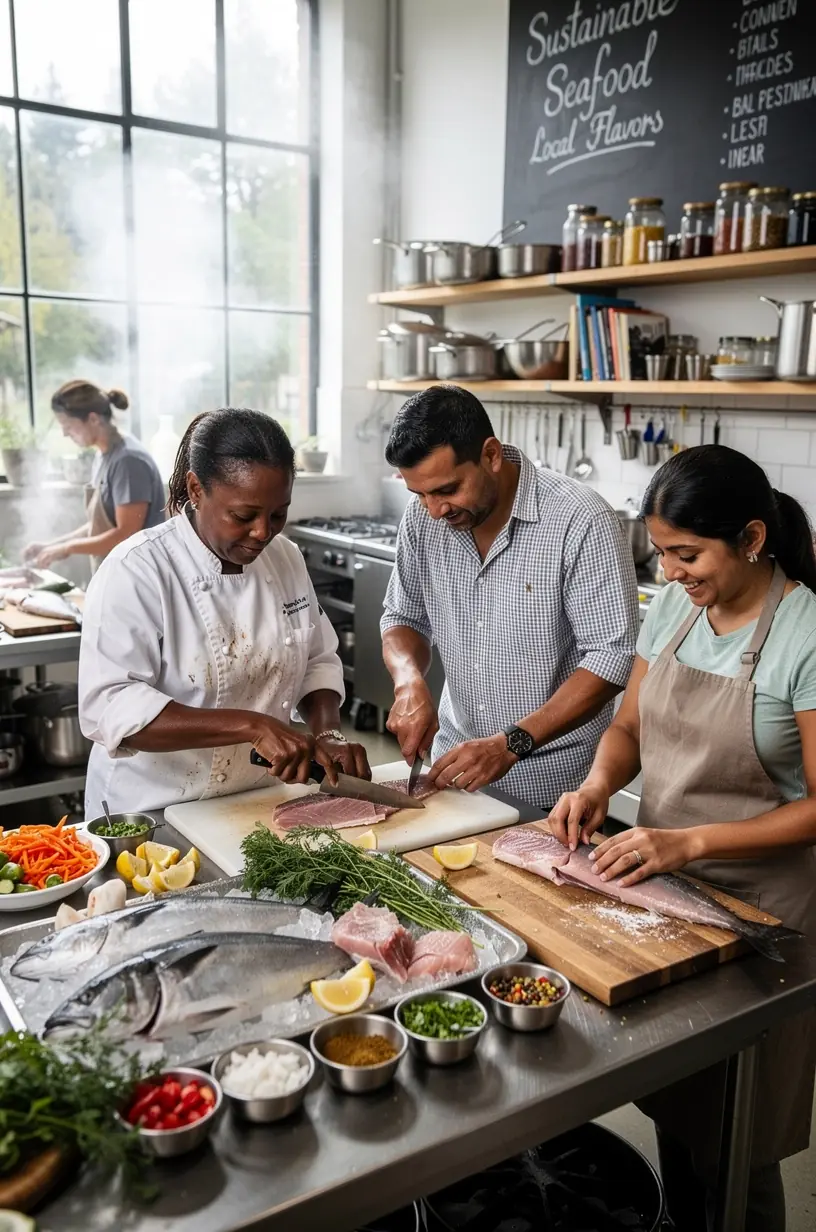
- Cooking Classes: Participating in a cooking class typically takes a few hours and allows travelers to learn about local ingredients and techniques. Experts recommend this approach as a practical way to immerse oneself in the local food culture.
- Food Tours: Joining a guided food tour can provide insight into culinary traditions and historical influences on regional dishes. These tours often last several hours and may encompass multiple locations, offering a variety of tastes and experiences.
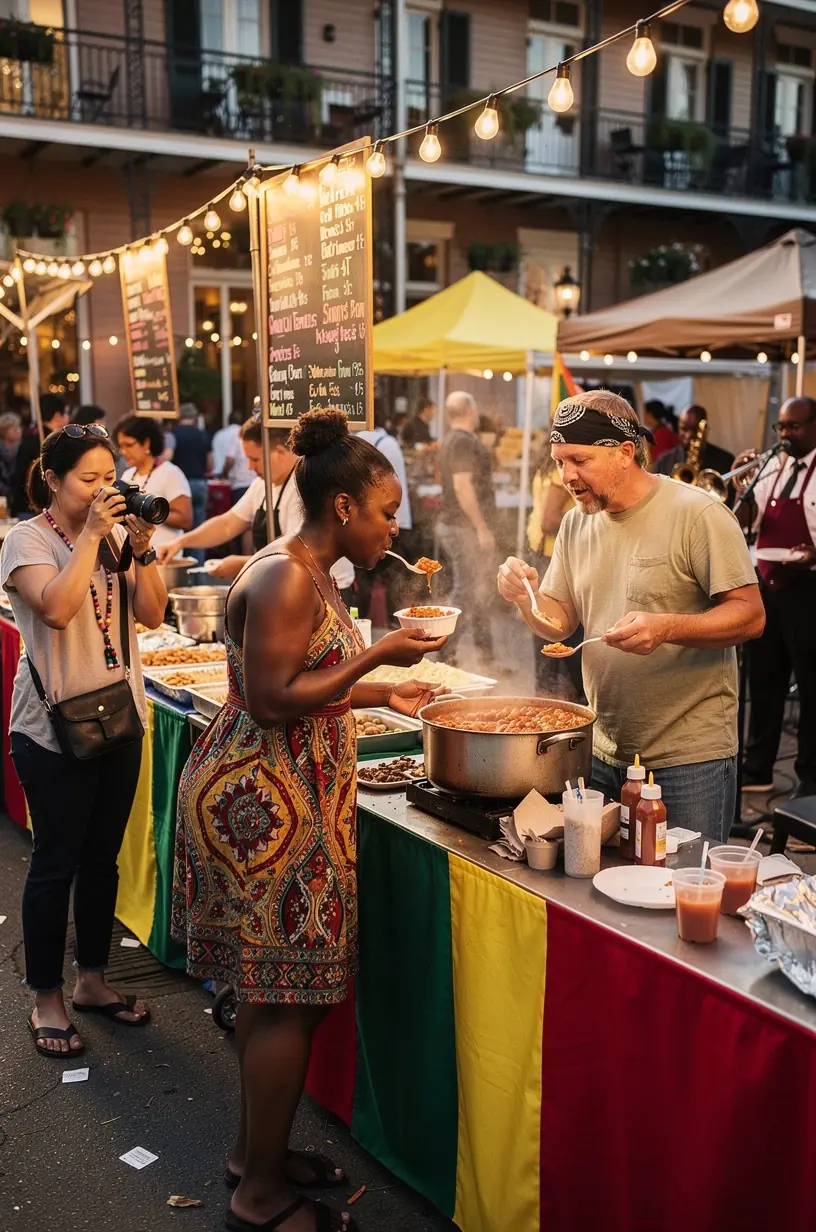
- Local Markets: Visiting local markets offers a chance to interact with vendors and learn about regional ingredients. This experience can be particularly enlightening, as it often involves learning how locals shop for and prepare their meals.
Realistic Expectations for Culinary Travel
While culinary experiences can greatly enhance a trip, it's essential to set realistic expectations. For example:
- Cooking classes and food tours may require advance booking, especially during peak tourist seasons, which could limit spontaneity.
- Learning new cooking techniques can involve a learning curve; some users report needing several classes to feel confident.
- Culinary experiences may not be suitable for individuals with specific dietary restrictions, so it's important to communicate any needs when booking activities.
Conclusion
Incorporating culinary experiences into travel itineraries can significantly enhance the enjoyment and depth of a trip. By prioritizing educational culinary activities, travelers can not only savor new flavors but also gain a richer understanding of the cultures they are exploring. As you plan your next adventure, consider the potential of food to connect you with your destination in meaningful ways.